
Move Better. Recover Stronger. Live More Independently.
Rehabilitation & Physiotherapy at Home
Personalised rehabilitation and physiotherapy support that helps your loved one regain movement, strength, balance and confidence — in the comfort of home.
Recovery is not just about getting better — it is about getting back to everyday life. Whether your loved one is recovering from surgery, managing an injury, living with reduced mobility or rebuilding strength after an illness, the right rehabilitation support can make every step of the journey easier. TLC Care helps families coordinate personalised rehabilitation support at home, with care plans designed around the person's condition, abilities, goals and daily routine.
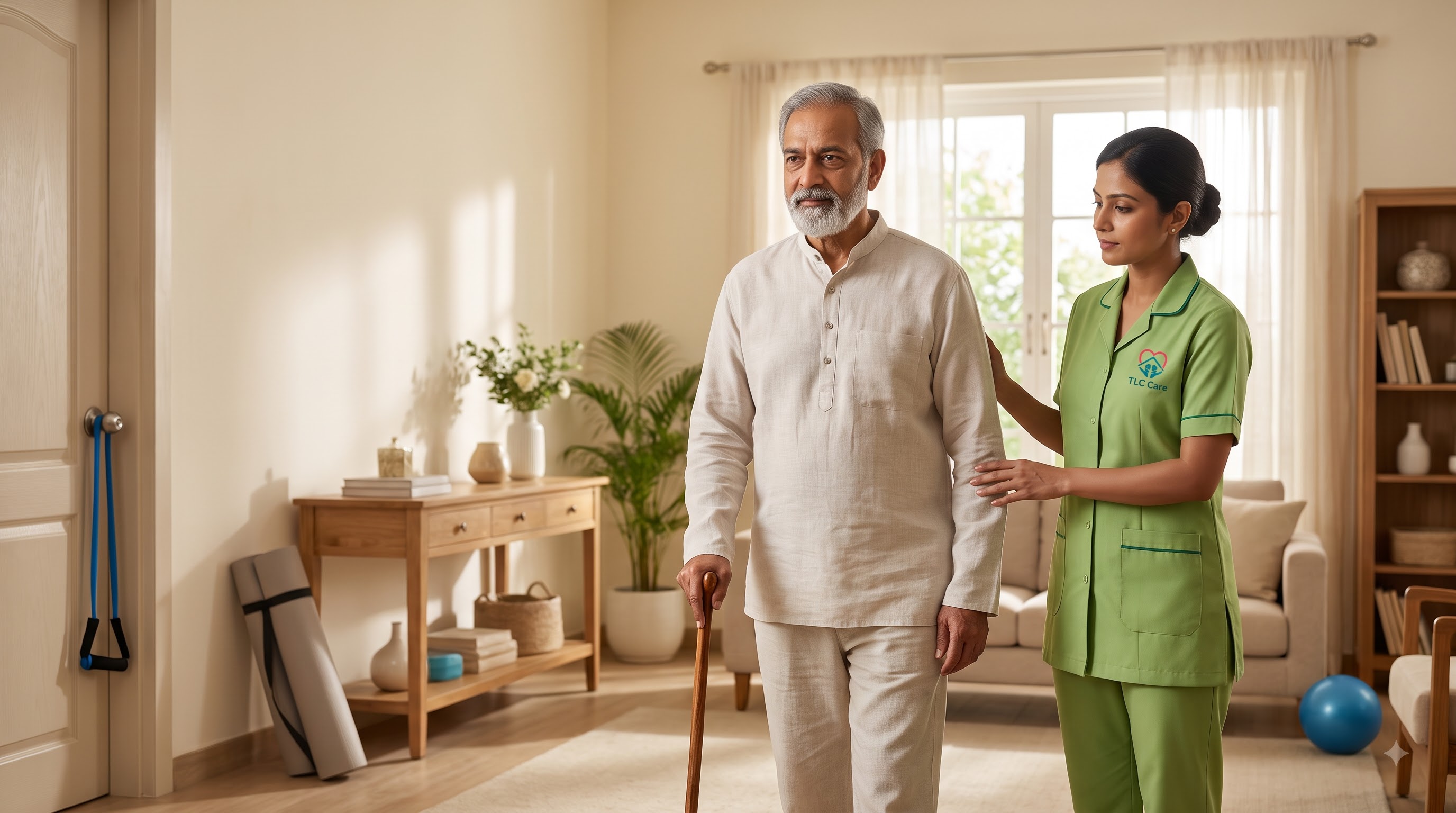
Recovery Happens One Step at a Time
The goal is not just recovery. It is independence.
After surgery, illness, injury or a period of prolonged inactivity, even simple activities can become difficult — standing up, walking to the bathroom, climbing a few steps, getting dressed, holding a cup, or returning to a favourite daily routine.
Rehabilitation helps turn these small victories into meaningful progress.
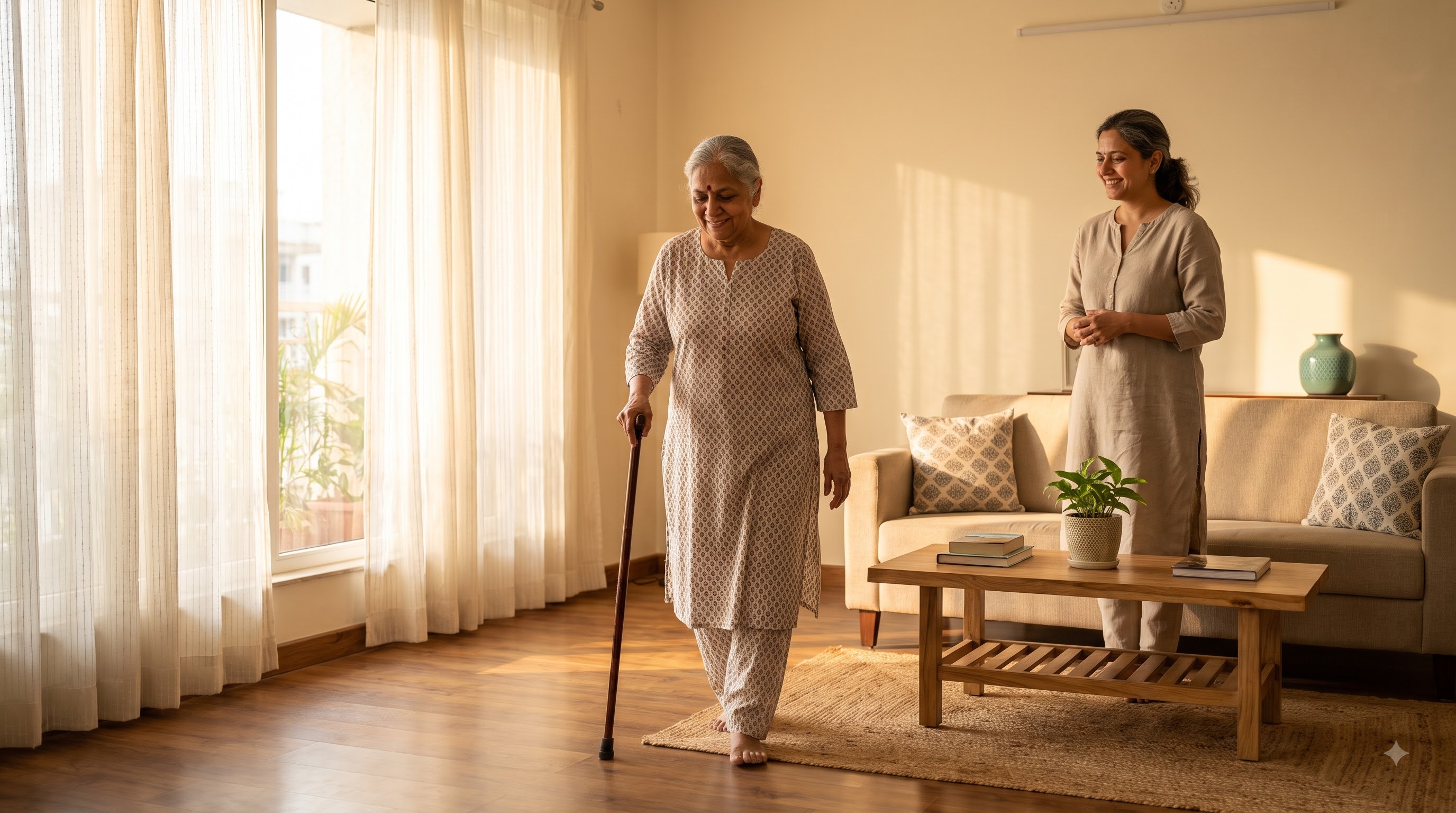
With the right professional guidance and consistent support, your loved one can work towards improving strength, flexibility, balance, coordination and confidence — without having to travel repeatedly to a clinic.
At TLC Care, we bring the rehabilitation journey closer to home.
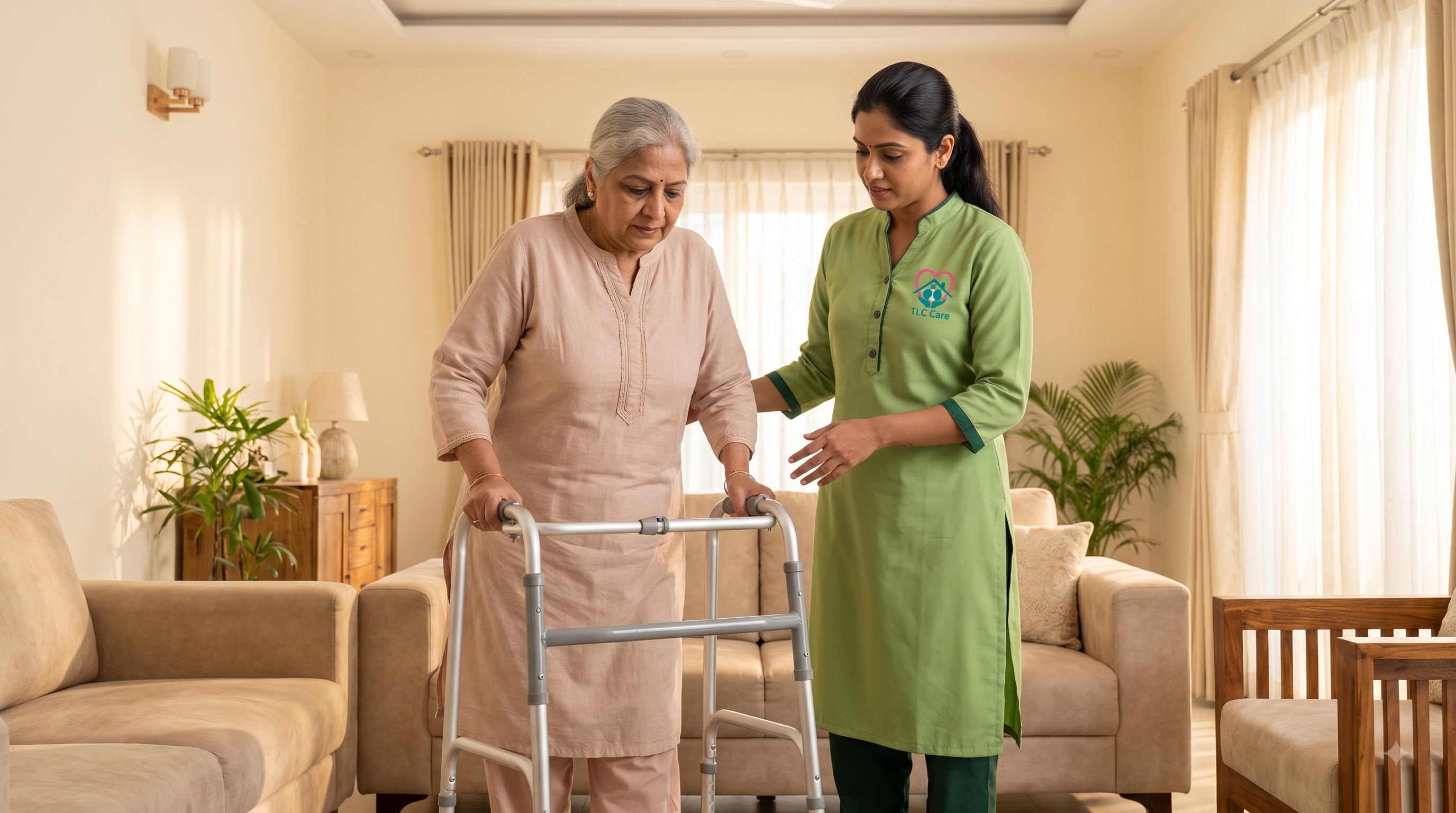
Support That Fits the Recovery Journey
Rehabilitation for different stages of life and recovery
Every person's recovery is different. Our rehabilitation support can be tailored around individual needs and professional recommendations.
-
Post-Surgery Rehabilitation
Support after procedures such as joint replacement, fracture repair and other major surgeries, helping the individual gradually return to everyday movement and activities.
-
Mobility & Strength Training
Structured exercises and assisted movement designed to improve strength, flexibility, mobility and functional ability.
-
Balance & Fall Prevention
Exercises and practical support aimed at improving balance, stability and confidence while reducing everyday mobility risks.
-
Stroke Rehabilitation Support
Home-based support for individuals recovering from stroke, working towards improved movement, coordination and independence under appropriate professional guidance.
-
Orthopaedic Rehabilitation
Support following fractures, joint problems, musculoskeletal conditions and orthopaedic procedures.
-
Neurological Rehabilitation Support
Care coordination and home support for people living with mobility or functional challenges associated with neurological conditions.
-
Elderly Mobility Support
Gentle, age-appropriate movement and strengthening support to help older adults maintain mobility and independence.
-
Functional & Daily Activity Training
Support with practising everyday movements and activities that matter most to the individual — getting out of bed, walking, sitting, standing and moving safely around the home.
Exercises That Rebuild Confidence
Strength, mobility and balance — practised safely at home.
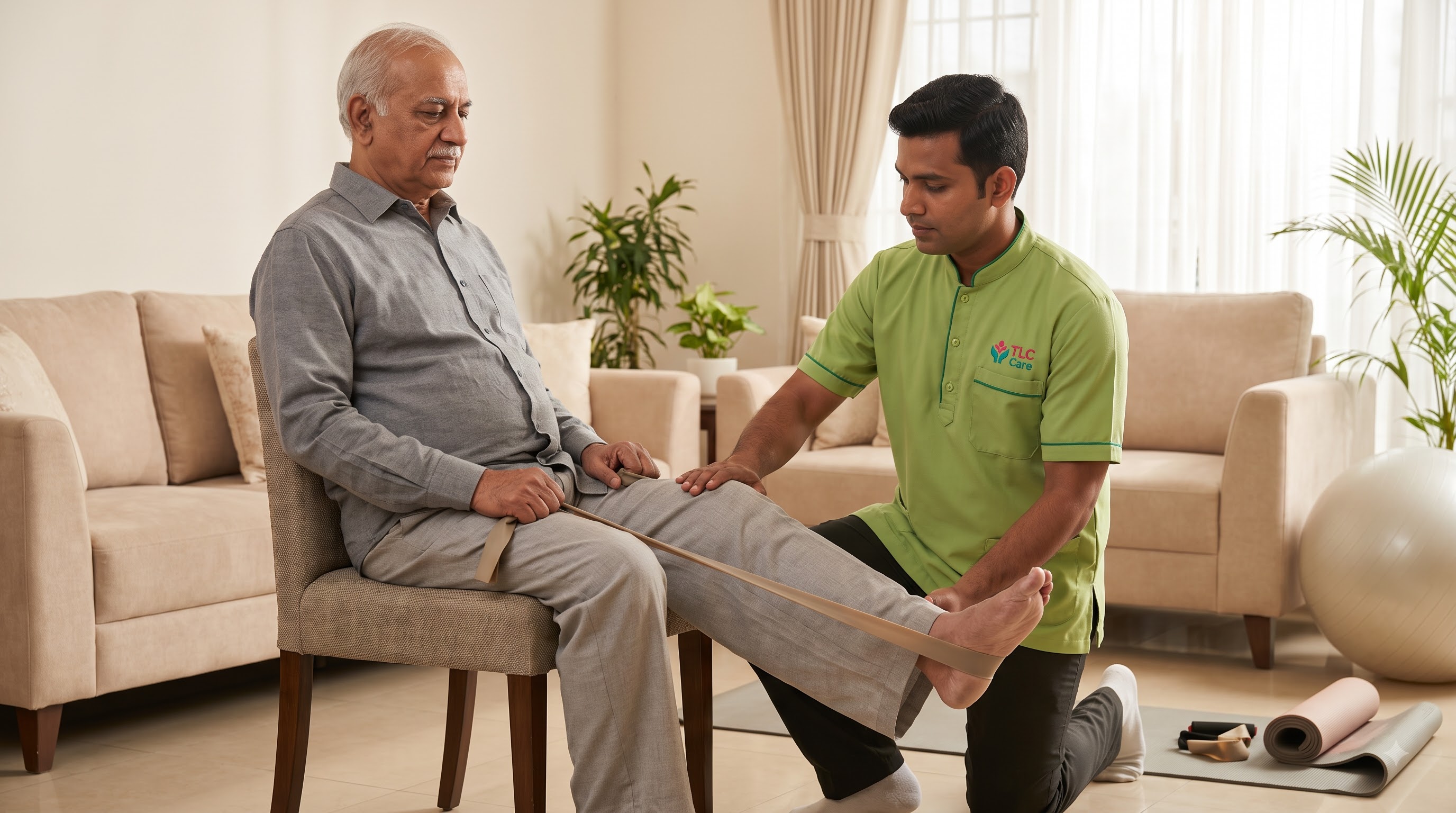
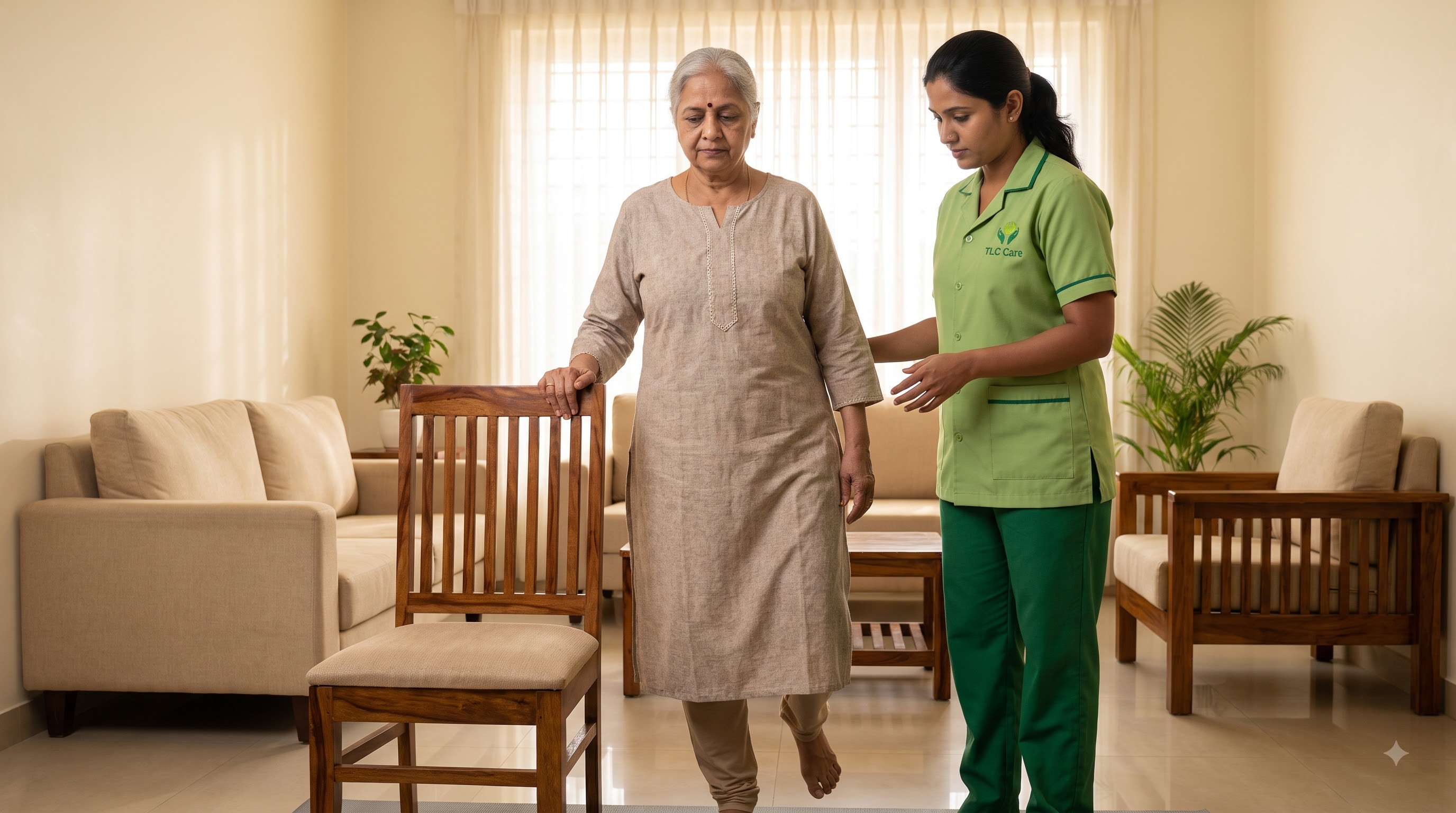
Personalised. Practical. At Home.
Rehabilitation designed around real life.
A rehabilitation plan should fit into a person's life — not make life revolve around treatment. TLC Care takes a practical, person-centred approach.

-
We understand the situation
We begin by understanding the person's condition, current mobility, challenges, home environment and recovery goals.
-
We coordinate the right support
Where physiotherapy is required, care can be coordinated with an appropriately qualified physiotherapy professional based on the individual's needs.
-
We make the home part of recovery
Rehabilitation is connected to everyday activities and the person's actual home environment.
-
We encourage consistent progress
Regular support and encouragement can help individuals stay engaged with their rehabilitation plan and maintain progress between professional sessions.
-
We keep families informed
Family members can stay connected with updates and understand how their loved one's recovery is progressing.
What a Plan May Include
A plan built around meaningful goals.
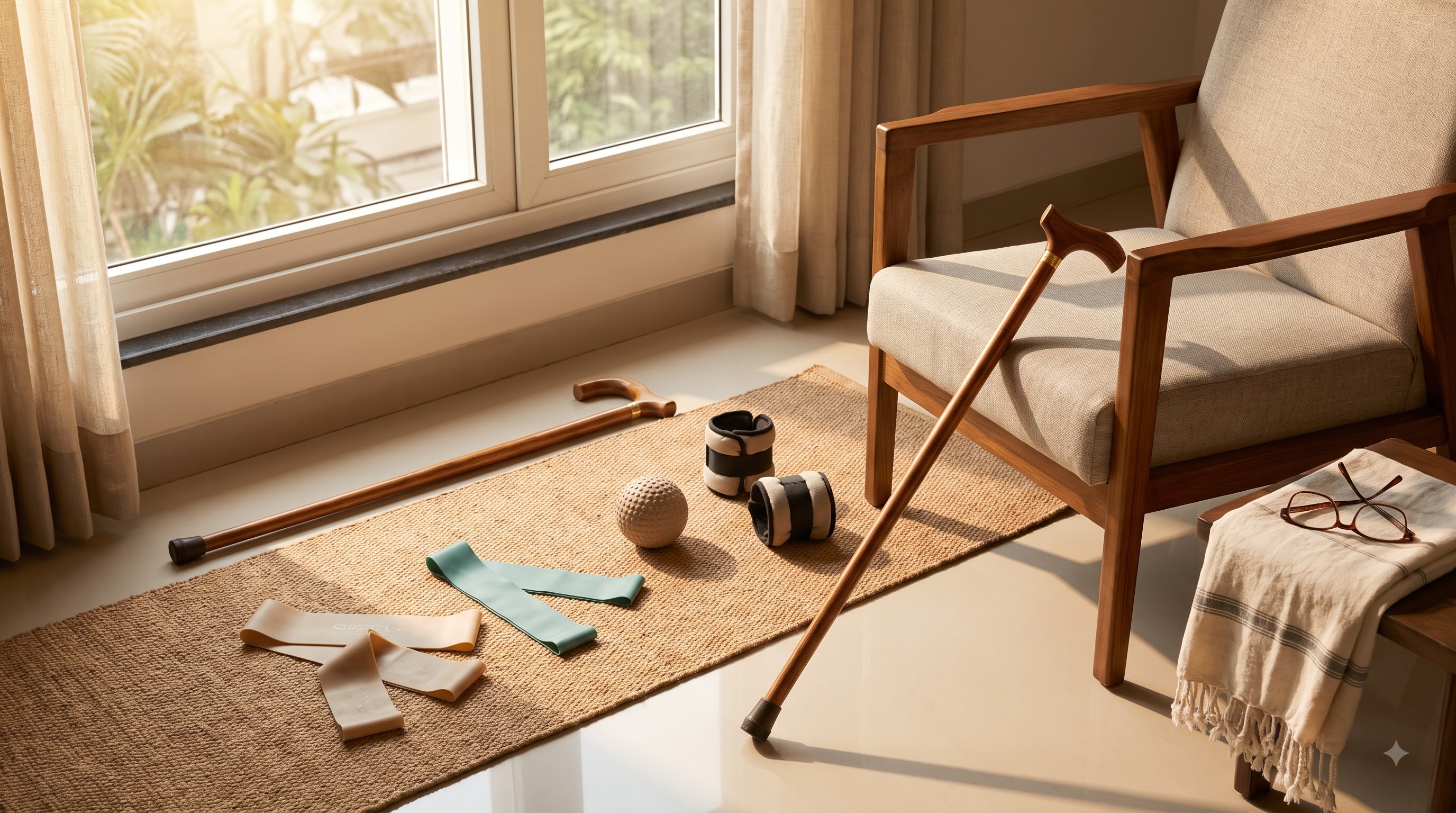
Depending on the person's condition and professional recommendations, rehabilitation may include:
- Mobility and walking exercises
- Strength and conditioning exercises
- Flexibility and range-of-motion exercises
- Balance and coordination exercises
- Transfer and positioning practice
- Gait and walking support
- Posture and movement training
- Functional activities for everyday living
- Fall-prevention strategies
- Home-safety recommendations
- Exercise reminders and encouragement
- Progress tracking and family updates
Important: Specific exercises and treatment plans should be prescribed or guided by an appropriately qualified healthcare professional based on the individual's clinical assessment.
Who Is It For?
Rehabilitation can help when everyday movement becomes difficult.
Our home rehabilitation support may be appropriate for:
- Older adults experiencing reduced strength or mobility
- People recovering from surgery
- Individuals recovering from fractures or injuries
- People recovering from stroke
- Individuals experiencing balance difficulties
- People living with mobility limitations
- Individuals returning home after a prolonged hospital stay
- People who need support maintaining functional independence
- Families looking for professional rehabilitation support at home
Why Home-Based Rehabilitation?
Sometimes, the best place to recover is home.
Travelling to a clinic can be difficult for someone who is recovering from surgery, illness or injury. Home-based rehabilitation offers several practical advantages:
-
Comfort
The individual receives support in familiar surroundings.
-
Convenience
Less travel means less physical and emotional strain.
-
Real-World Practice
Movement can be practised in the environment where it actually matters — the person's own home.
-
Family Involvement
Family members can better understand the recovery process and learn how to provide appropriate support.
-
Better Continuity
Regular home support can make it easier to maintain routines between professional sessions.
-
Greater Confidence
Progressing in familiar surroundings can help individuals gradually rebuild confidence in everyday movement.
More Than a Session
Professional guidance. Everyday encouragement.
Physiotherapy is only one part of recovery.
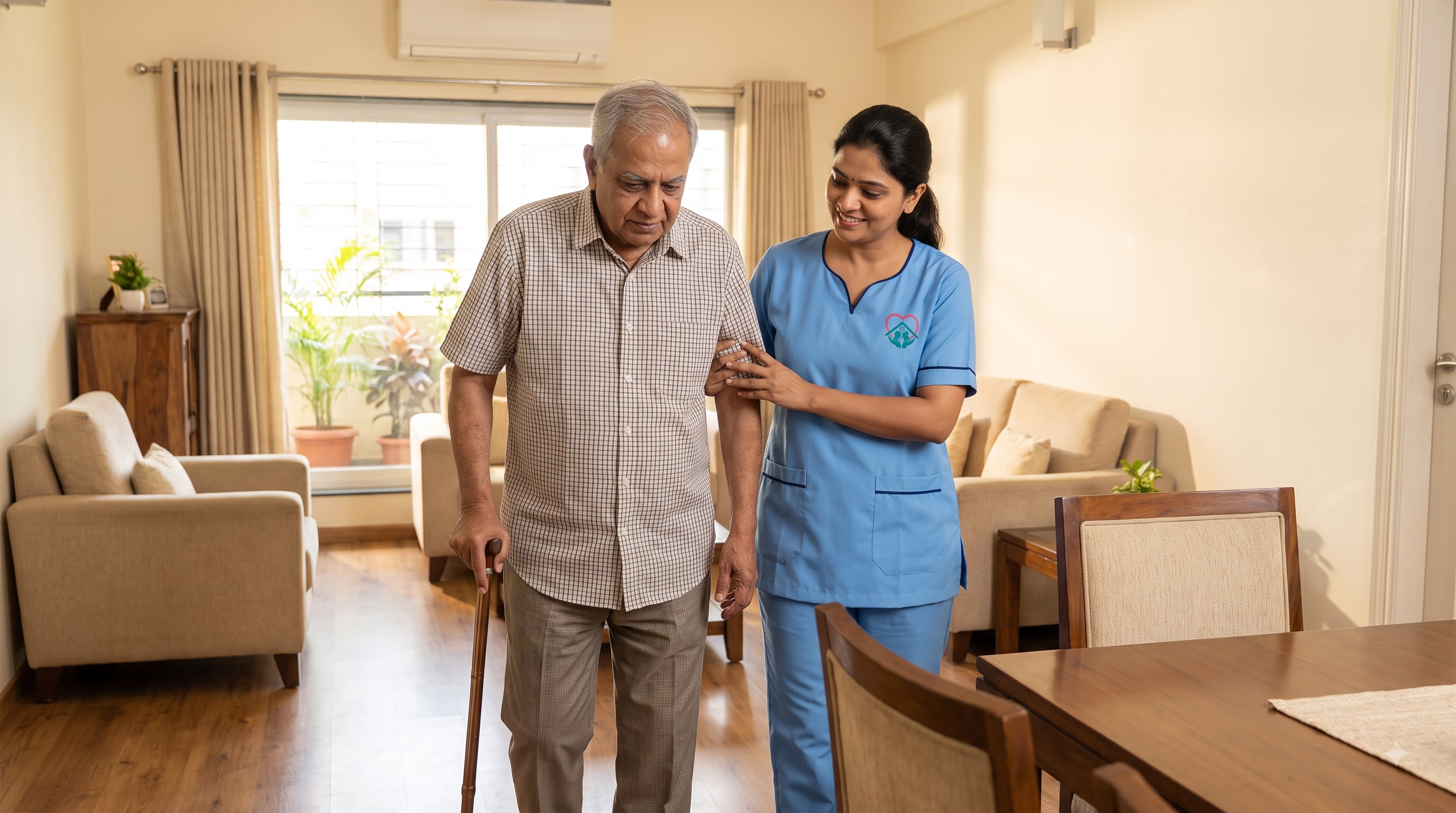
Between professional sessions, individuals may need encouragement, mobility assistance and help staying consistent with their recommended routine.
A trained TLC caregiver can support the person's daily care needs within the scope of their training and the rehabilitation plan provided by the appropriate healthcare professional. This may include:
- Helping with safe mobility
- Providing assistance during everyday activities
- Encouraging adherence to prescribed routines
- Supporting positioning and transfers as instructed
- Observing changes and reporting concerns
- Helping maintain a safe home environment
- Keeping family members informed
- Coordinating with the family and care team when required
Caregivers do not independently diagnose conditions, prescribe exercises or replace qualified physiotherapists or doctors.
How It Works
Your rehabilitation journey, made simpler.
-
Tell Us What You Need
Speak with a TLC Care Coordinator and tell us about your loved one's condition, current challenges and recovery needs.
-
Understand the Needs
We discuss the person's mobility, daily routine, home environment and professional care requirements.
-
Build the Right Plan
We help coordinate an appropriate rehabilitation and home-care plan around the individual's needs and professional recommendations.
-
Recovery Begins at Home
Professional rehabilitation support and everyday care work together to make recovery easier to manage.
-
Stay Connected
Families receive appropriate updates and can remain involved in their loved one's progress.
Key Benefits
Small improvements can make a big difference.
-
Better Mobility
Move more safely and confidently through everyday activities.
-
Improved Strength
Build functional strength needed for daily life.
-
Greater Independence
Work towards doing more things independently.
-
Better Balance
Improve stability and confidence during movement.
-
Safer Movement
Learn and practise safer ways to move around the home.
-
Family Peace of Mind
Know that your loved one has structured support during recovery.
For Families Near and Far
Stay close to their recovery, even when you cannot be there.
For families living in another city or another country, supporting a loved one's rehabilitation can be challenging.
TLC Care helps families stay connected through regular communication, coordinated care and appropriate updates.
You may not be able to be there for every exercise, every appointment or every small milestone. But you can still be part of the journey.
Common questions
Questions families ask us about Rehabilitation & Physiotherapy.
Can't find your answer here? Your coordinator will happily walk you through everything — costs, caregivers, and how care works day to day.
Ask us on WhatsAppCan physiotherapy be provided at home?
Yes. Home-based physiotherapy can be an appropriate option for individuals who find travelling difficult or who may benefit from rehabilitation in their own home environment. TLC Care can help coordinate appropriate professional support based on the person's needs and location.
Is rehabilitation only for people recovering from surgery?
No. Rehabilitation may also support people recovering from illness, injury, stroke, fractures, prolonged hospitalisation or reduced mobility, as well as older adults who need help maintaining functional independence.
Does TLC Care provide physiotherapists?
TLC Care can coordinate appropriate rehabilitation support with qualified professionals based on the individual's requirements and service availability.
Can a caregiver help with physiotherapy exercises?
A TLC caregiver can provide appropriate assistance and encouragement within their training and the instructions provided by the qualified healthcare professional. Caregivers do not independently prescribe or modify clinical exercise programmes.
How often is physiotherapy needed?
The frequency depends on the individual's condition, recovery goals and professional assessment. A qualified physiotherapist should determine the appropriate treatment schedule.
Can rehabilitation happen after joint replacement surgery?
Yes. Rehabilitation is an important part of recovery after many orthopaedic procedures, including joint replacement. The rehabilitation plan should always follow the treating healthcare professional's recommendations.
Can you help someone who has difficulty walking?
Yes. Depending on the individual's condition, rehabilitation may focus on strength, balance, transfers, gait and safe mobility. A professional assessment should determine the appropriate approach.
Can family members living abroad arrange rehabilitation for their parents?
Yes. Families can contact TLC Care remotely to discuss their loved one's needs and explore available home-care and rehabilitation support.
When should rehabilitation begin?
The appropriate time depends on the individual's medical condition, procedure or injury. Rehabilitation should begin according to the advice of the treating doctor and qualified rehabilitation professional.
Recovery With The Right Support
Rehabilitation should always be personalised.
Our role is to help families coordinate compassionate home support around the recommendations of qualified healthcare professionals — while making the day-to-day recovery journey easier, safer and more manageable.
Help your loved one move towards greater independence.
Whether recovery has just begun or progress has slowed, the right support can make the journey easier. Talk to TLC Care about a personalised rehabilitation and home-care plan for your loved one. No pressure, no obligation — just a conversation about what your family needs.